
Beryllium Copper
Rods
NGK Berylco Beryllium Copper Alloys
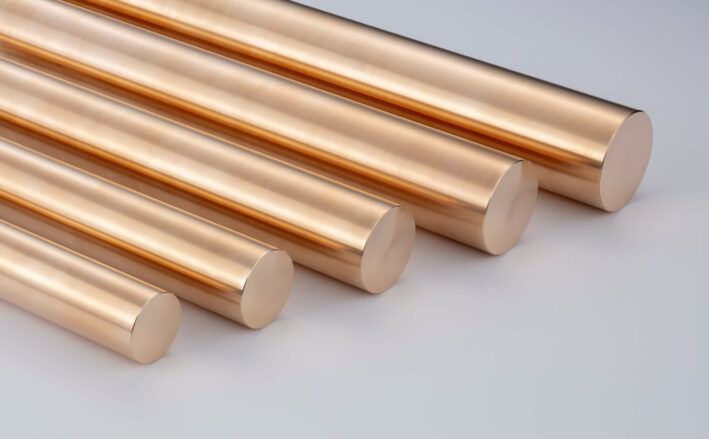
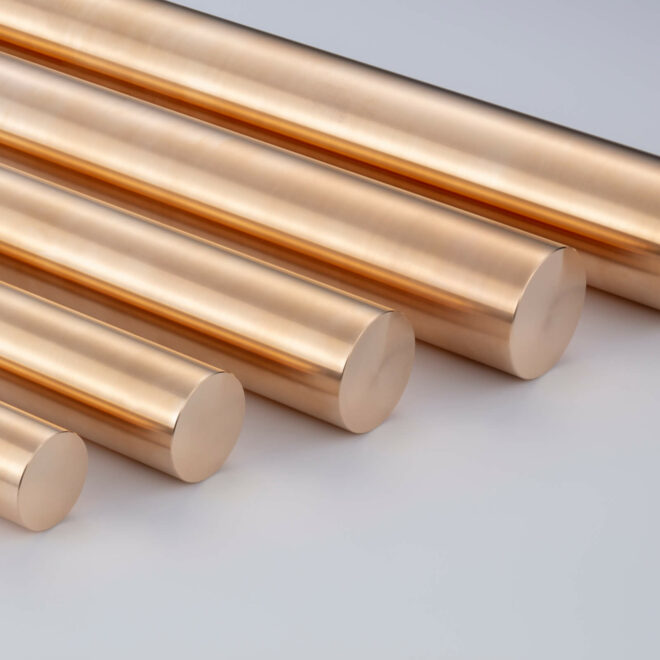
NGK Berylco offers beryllium copper rods in a range of diameters tailored to your specific needs.
Each Berylco alloy provides a unique combination of properties. The choice of alloy depends on your electrical and mechanical performance requirements, machinability, reliability, durability, miniaturization, and cost-efficiency.
Our experts are available to assist you!
BERYLCO 25
Cu Be 2
CW 101 C
C17200
Chemical composition
Be: 1.8 – 2.0%
Co: max. 0.3%
Co + Ni + Fe: max. 0.6%
Cu + additions: min. 99.5%
Remarks
CuBe2 alloy offering a wide combination of properties: good electrical conductivity, good formability, and very high mechanical strength after heat treatment.
BERYLCO 33/25
Cu Be 2 Pb
CW 102 C
C17300
Chemical composition
Be: 1.8 – 2.0%
Co: max. 0.3%
Co + Ni + Fe: max. 0.6%
Pb: min. 0.2%
Cu + additions: min. 99.5%
Remarks
Free-machining CuBe2Pb alloy offering very high strength after heat treatment. Its small lead addition ensures excellent machinability (60%).
BERYLCO 14
Cu Ni 2 Be
CW 110 C
C17510
Chemical composition
Be: 0.2 – 0.6%
Ni: 1.8 – 2.2%
Cu + additions: min. 99.5%
Remarks
CuNiBe alloy combining good mechanical strength with excellent electrical conductivity.
Manufacturing Capabilities and Product Specifications
- In addition to a wide range of rod diameters, we can also supply profiled rods (square, rectangular, hexagonal, flat), either cold-drawn or hot-worked, including non-standard diameters.
- Standard Berylco rods are supplied pointed and chamfered.
- Upon request, ground rods are also available.
- Tight tolerances – On request, Berylco rods and wires can be delivered with tighter dimensional tolerances (h6, h5, h7) achieved through grinding or special drawing.
NGK Berylco Alloy Characteristics
High Strength and Good Conductivity
Berylco 25 (UNS C17200) offers mechanical strength up to 1400 MPa and hardness up to 420 Vickers.
Berylco 33/25 (UNS C17300) is the free-machining version with the same strength characteristics.
With a conductivity of 25% IACS, these alloys provide the best wear resistance, fatigue strength, and hardness among copper-based materials.
High Conductivity and Moderate Strength
Berylco 14 (UNS C17510) reaches conductivity levels above 45% IACS and tensile strength up to 970 MPa.
This makes it ideal for heat sinks, resistance welding components, and other electrical applications.
Machinability
Beryllium copper can be machined into complex shapes. Its machinability in the hardened (aged) condition is comparable to many copper alloys and superior to stainless steels.
Its dimensional stability is far better than that of any other copper-based alloy.
Wear and Abrasion Resistance
Thanks to a protective oxide film, beryllium copper offers excellent wear resistance compared to other copper alloys and many ferrous alloys.
In the hardened state, it can support bearing loads well beyond those of other copper-based alloys and is compatible with the hardest ferrous alloy shafts.
Corrosion Resistance
Beryllium copper has corrosion resistance close to that of silver and nickel.
It is not susceptible to hydrogen embrittlement.
High Fatigue Strength
Its high fracture toughness and resistance to localized deformation give beryllium copper excellent fatigue resistance.
Non-Magnetic
The non-magnetic nature of beryllium copper alloys makes them ideal for components sensitive to magnetic fields.
Heat Treatment
Heat treatment is the most important process in this alloy system. While all copper alloys can be hardened by cold working, beryllium copper is unique in that it can also be hardened through a simple low-temperature thermal treatment. This process involves two fundamental steps: the first is called solution annealing, and the second, precipitation or age hardening.
Solution Annealing
The material is heated to approximately 100°C below the alloy’s melting point. At this stage, the beryllium content is essentially “dissolved” into the copper matrix (alpha phase). A rapid quench to room temperature preserves this solid solution structure.
At this point, the material is highly ductile and can be easily cold-worked by drawing, rolling, or cold heading.
Solution annealing is a process carried out at the mill and is generally not performed by the customer.
Temperature, time at temperature, quenching rate, grain size, and hardness are all critical parameters that are tightly controlled by NGK Berylco.
Age Hardening
Age hardening significantly enhances the material’s strength. This reaction is typically carried out at temperatures between 260°C and 540°C, depending on the alloy and the desired properties.
During this cycle, the dissolved beryllium precipitates as a beryllium-rich (gamma) phase within the copper matrix and along grain boundaries.
It is the formation of this precipitate that leads to the substantial increase in strength.
The level of mechanical properties obtained is determined by both the aging temperature and the duration at temperature.
Beryllium copper does not exhibit age-hardening behavior at room temperature.
NGK products are available in either cold-worked or heat-treated condition, depending on customer requirements.
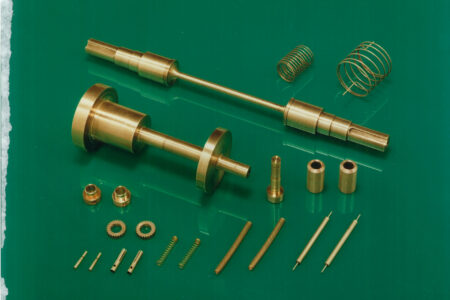
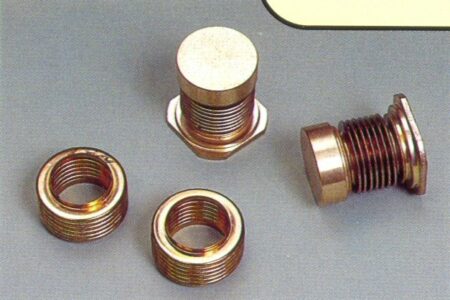
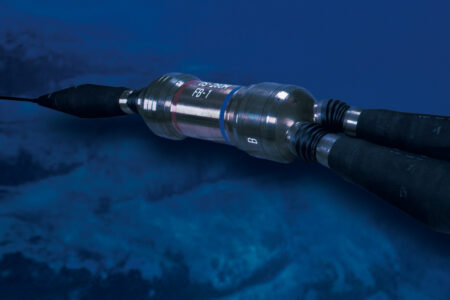
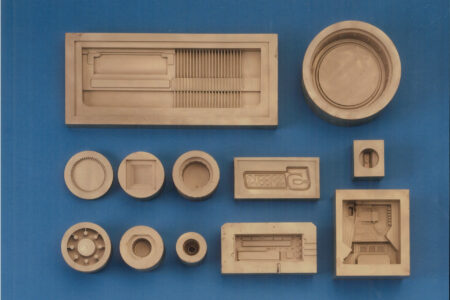
Application examples


Working on a Beryllium Copper Project?
NGK Berylco UK (DK, GB, IE, IS, NO, SE)
Other countries